

.jpg)
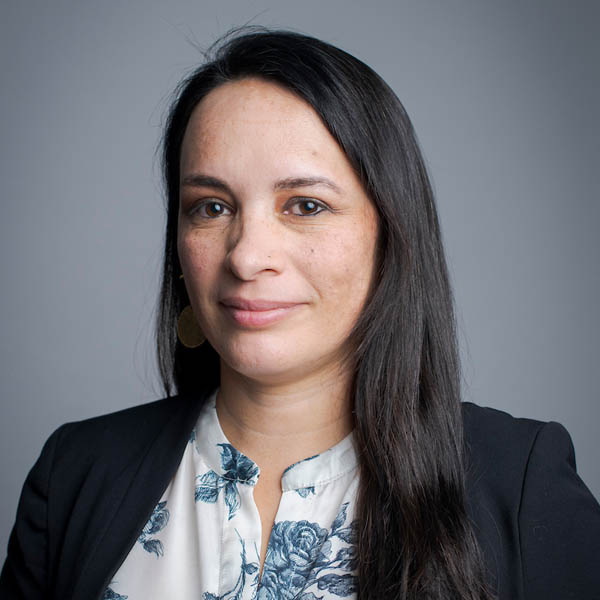
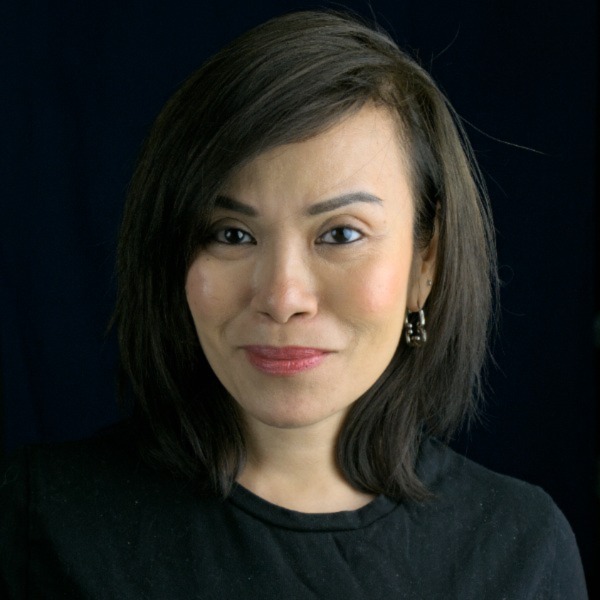
An article by Rappler about the award of a grant from the National Book Development Board to Atlantic Fellow for Health Equity in Southeast Asia and Rappler columnist Ana P. Santos, for her forthcoming book "The Other Mary: Womanhood, Faith, Sexuality. Survival." The book explores how Filipino women are often judged against rigid religious ideals of purity versus “otherness,” and aims to challenge moral stereotypes and show that survival — not perfection — defines womanhood.
Atlantic Fellow for Social and Economic Equity Sebastian Bock is quoted in an MSN article about the cost of electric cars. Bock, the managing director of T&E Germany, argued that the upfront purchase price difference between electric cars and combustion-engine cars will soon stop being the decisive factor for customers as prices rapidly converge and total ownership costs (fuel, maintenance) increasingly favor EVs.
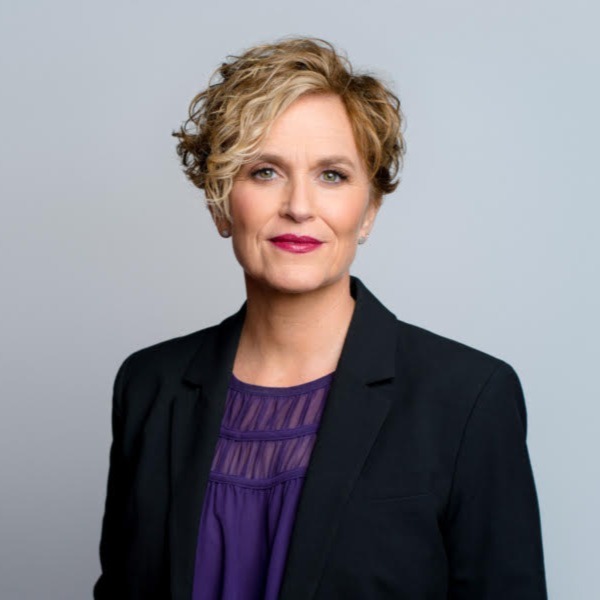
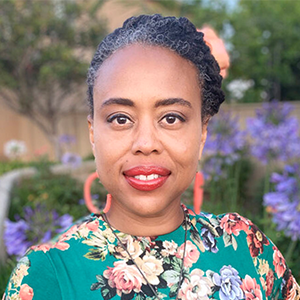
Atlantic Fellow for Racial Equity Zakiyah Shaakir-Ansari featured alongside her co-executive director of the Alliance for Quality Education on Spectrum Local News’ “Inside City Hall” to discuss New York’s childcare and education policy. She warned that Governor Kathy Hochul’s childcare plan risks failing unless education worker pay is increased, highlighting staffing and funding as critical weaknesses. Watch the interview segment.
Atlantic Fellow for Social Equity Durkhanai Ayubi appeared on RNZ Radio’s Saturday Morning to discuss the launch of her new memoir She Who Tastes, Knows. In the book, Ayubi explores her Afghan heritage, family history, and personal journey, weaving together stories of home, migration and identity. The book blends vivid storytelling with cultural reflection, offering a rich portrait of Afghan life both in her ancestral homeland and in Australia.
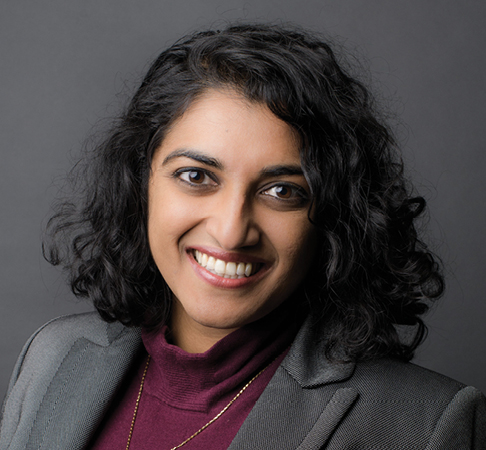
A Yahoo News article about Atlantic Fellow for Health Equity Global Megan Srinivas and her recent appointment to the role of chief medical officer at Primary Health Care, a large community health organization in Iowa. Srinivas will help guide medical services and strategy while continuing her work as a physician and public servant.
Atlantic Fellow for Racial Equity Betsy Hodges comments in an article in Time magazine about the impact of Trump’s immigration policies in Minneapolis. She highlights the strength and solidarity of the local community in tough times.
Atlantic Fellow for Social and Economic Equity Lucia Makamure has written an article in LSE Inequalities titled “The human cost of sovereign debt restructuring in Ghana.” She writes that Ghana’s recent sovereign debt restructuring — particularly its large Domestic Debt Exchange Programme (DDEP) following a 2022 default — has had deep human consequences far beyond macroeconomic indicators.
Atlantic Fellow for Racial Equity Karen Ann Daniels is directing an adaptation of Shakespeare’s “As You Like It” at the Folger Theatre, Washington DC. Framed as a “Love note to D.C.” with the royal court representing the seat of power and the Forest of Arden evoking the city’s communities, Broadway News says the play has received positive reviews.
An article in The Star by Atlantic Fellow for Social and Economic Equity Badrul Hisham Ismail about the mayoral debate. He argues that the conversation about whether Kuala Lumpur should elect its mayor goes beyond administrative mechanics and taps into deeper questions about who gets to shape the city’s identity and governance, noting that residents have no direct say in choosing their leadership.
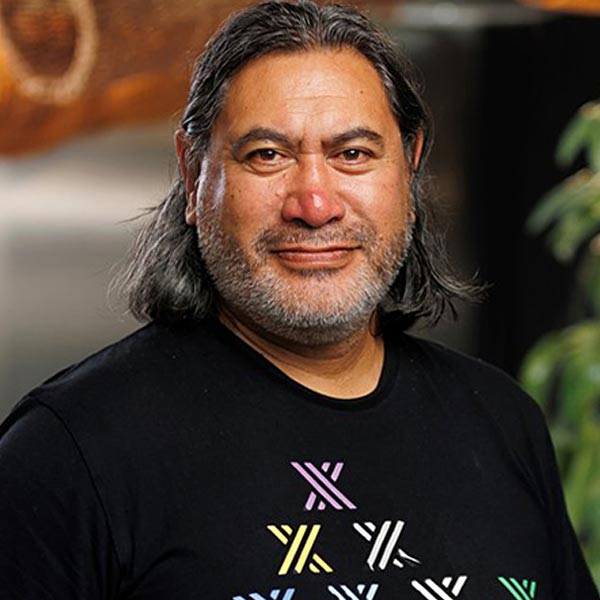
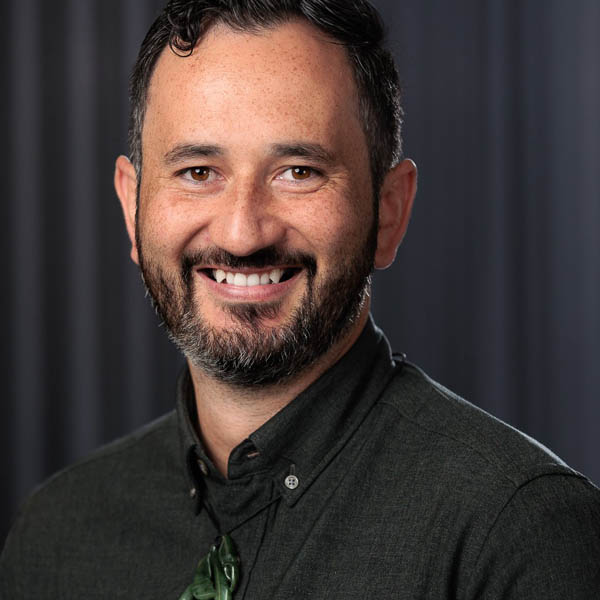
Atlantic Fellow for Social Equity Te Kahuratai Moko-Painting is one of the experts commenting on ScienceMediaCenter.co.nz about New Zealand's space launches. He suggests that while Aotearoa has become a leading nation in space launches, the government’s plan to increase launches tenfold raises serious ecological and cultural concerns. He argues that Māori interests and Te Tiriti o Waitangi obligations are largely absent from the strategy, and urges the government to fund Māori-led research, embed Te Tiriti partnerships, and involve mana whenua in decision-making to ensure growth in space is socially just and culturally grounded.
Atlantic Fellow for Social and Economic Equity Sergio Chaparro Hernandez is quoted in an article on QuiFinanza about the United Nations' proposed special tax connecting profits of fossil fuel companies with the environmental damage they have caused. Hernandez said that wealthy people should take a leading role in reducing global inequalities and in supporting climate‑resilient development in countries most affected by climate change, in line with their historical responsibilities.
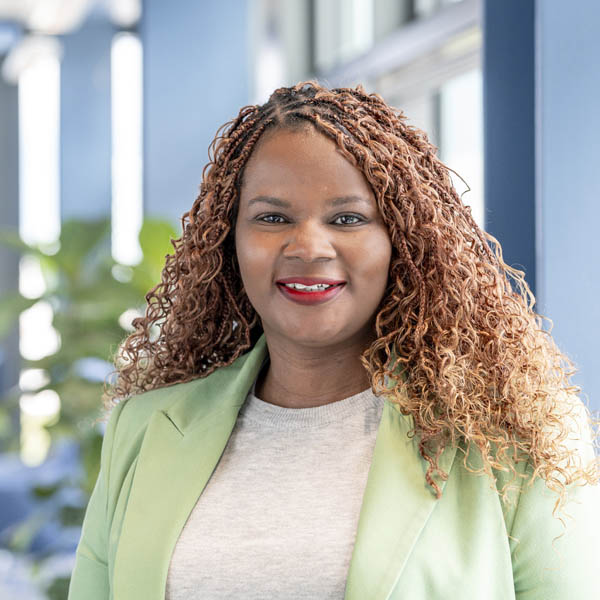
Atlantic Fellow for Racial Equity Pinky Mashiane is quoted in a MSN article about South Africa's national minimum wage increase. She said that while the recent increase (to about R30 per hour) is welcome, it doesn’t mean much in practice without stronger law enforcement.
An article co-authored by Atlantic Fellow for Equity in Brain Health Alex Kornhuber in The Conversation titled “The Keepsake Chronicles: stories in times of dementia.” It describes a creative storytelling initiative for people living with dementia where physical objects can cue sensory and autobiographical memory in ways that abstract questions often cannot.
Atlantic Fellow for Racial Equity and former president of the 7-million-member online justice organization Color of Change, Rashad Robinson, is quoted in USA Today in an article about the pivotal and far-reaching influence of the Reverend Jesse Jackson, who died in February this year.
An opinion piece in the Mail & Guardian by Atlantic Fellow for Health Equity in South Africa Thembisa Witbooi about the crucial role played by community health workers in South Africa. Witbooi writes that South Africa is at risk of abandoning community health workers. Yet they are vital in bridging the gap between formal healthcare systems and communities, bringing care, education and dignity to people who might otherwise have been excluded.
Atlantic Fellow for Racial Equity Brandon Nicholson is quoted in an article by KRON4 News profiling The Hidden Genius Project, an Oakland-based nonprofit in California that trains Black youth in technology and entrepreneurship.
Atlantic Fellow for Social Equity Geoffrey Hipango is quoted in an article in The New Zealand Herald on efforts to revitalize traditional Māori carving (whakairo). Hipango, the chairman of Te Ao Hou, explains the importance of creating a space to bring together tribal talent and train the next generation of carvers.
An article about Atlantic Fellow for Equity in Brain Health Silvia Kochen in Infobae about Purple Day in Argentina (a day to raise awareness of epilepsy). Kochen explains why the 25th anniversary of Argentina’s National Epilepsy Law is a reminder that the condition should not be a reason for exclusion, and that the law gives people with epilepsy and their families rights and protections under the health system.
Atlantic Fellow for Racial Equity Staceyann Chin features in Broadway World.com in a series of conversations with artists in the launch event for “Now Is The Time: Artists Go to Work”. Chin took the stage for a conversation about the residency projects she has founded, including Kindred on the Rock, a 70‑acre homestead in Jamaica that supports artists, activists and community‑minded people.
Atlantic Fellow for Equity in Brain Health Claire McEvoy and colleagues published a scoping review in Springer Nature. The article systematically maps and evaluates existing research on how education and training programs for care home staff help improve diabetes care for older residents by examining types of interventions used, what outcomes they target and where the evidence is still lacking.
Atlantic Fellow for Equity in Brain Health Sanjib Saha co-authored a study originally published in BMC Public Health that looked at how different aspects of women’s empowerment are linked with health outcomes among married women in Bangladesh, using data from a large national survey. The researchers found that women with stronger empowerment in rejecting violence and greater social independence tended to have lower levels of some physical and mental health problems. Higher empowerment in decision-making was unexpectedly associated with increased rates of some physical conditions, including being overweight and experiencing hypertension.
Atlantic Fellow for Health Equity Global Bram Wispelwey and colleagues published a study in Springer Nature that examined how the hospital system in the Gaza Strip functioned during the first year of the 2023–2024 conflict, using data collected by the World Health Organization. The study argues that the conflict severely disrupted Gaza’s ability to deliver essential hospital care, highlighting the large-scale impact of war on healthcare infrastructure and access.
Atlantic Fellow for Equity in Brain Health Petronilla Battista co-authored a study in Springer Nature that investigates the impact of speech and language therapy (SLT) on people with primary progressive aphasia (PPA) and their carers, using qualitative interviews to understand real-life experiences rather than just clinical test outcomes. The study found that SLT helps patients communicate more effectively in daily life, boosts confidence, and reduces frustration, while also improving relationships and understanding for carers.
Atlantic Fellow for Health Equity in Southeast Asia Rui Deng and colleagues published an article in Springer Nature that studied how maternal health care preferences differ between ethnic groups among women in rural Yunnan province, China, to inform more patient‑centered services. It found that ethnic minority women had distinct preferences for aspects like service location, cost and support features, which influenced their use of prenatal and delivery services. The authors concluded that understanding these differences can help tailor culturally sensitive and equitable maternal care to reduce disparities.
Atlantic Fellow for Equity in Brain Health Agustin Ibanez co-authored a study published in Springer Nature on how blood-based Alzheimer’s disease biomarkers vary across stages from normal cognition to mild cognitive impairment and Alzheimer’s dementia in a Chilean cohort. It found these biomarkers progressively reflect cognitive decline, supporting their use for early detection and monitoring of Alzheimer’s in diverse populations.
Atlantic Fellow for Equity in Brain Health Hanan Khalil and colleagues published a paper in the Wiley Online Library that explores refugees’ experiences of a trauma-focused physiotherapy program designed to help people recover from the physical and psychological effects of conflict-related trauma. The study found that trauma-focused physiotherapy addressed both mental and physical health needs, helped restore function and well-being, and highlighted key considerations for physiotherapists working with trauma-exposed populations to achieve effective outcomes.
Atlantic Fellow for Equity in Brain Health Carmen Lage co-authored a study in Springer Nature that looked at whether a blood test measuring a protein called GFAP (glial fibrillary acidic protein) can help detect the very early, pre‑symptom stages of Alzheimer’s disease before memory problems begin. Using a specific testing machine (Lumipulse), the researchers evaluated how well GFAP levels in the blood signal early brain changes linked to Alzheimer’s.
Atlantic Fellow for Equity in Brain Health Anna Brugulat-Serrat and colleagues published a study in Springer Nature that looked at how genetic risk for Alzheimer’s disease affects early cognitive changes differently in men and women. It found that genetic risk scores predicted declines in specific thinking skills in women (especially memory and executive function) and in visual and attention skills in men, suggesting that sex and biological pathways shape how genetic risk influences preclinical cognitive changes and highlighting the value of sex‑aware models for early detection and intervention.
Atlantic Fellow for Health Equity in Southeast Asia Xiao Long co-authored a study in Springer Nature that focused on developing and testing a standardized method for measuring the midface (central facial region) using advanced 3D imaging technology called stereophotogrammetry. The study concluded that 3D stereophotogrammetry provides a reliable, reproducible method for measuring the midface, with strong potential for use in clinical assessment, surgical planning and evaluating outcomes in facial procedures.
Atlantic Fellow for Equity in Brain Health Ignacio Illán‑Gala was the senior author of an international study highlighted by News Medical Life Sciences. Led by the Sant Pau Research Institute, the paper shows that advanced magnetic resonance imaging (MRI) techniques can much more accurately distinguish between two rare atypical Parkinsonian disorders—progressive supranuclear palsy and corticobasal degeneration—than traditional clinical diagnosis alone.
Atlantic Fellow for Equity in Brain Health Susanne Röhr and colleagues published a paper in Springer Nature on “The impact of socioeconomic status and lifestyle on cognitive aging and brain health: results from the LIFE-Adult-Study.” The research found that higher socioeconomic status was linked with better cognition over time, and that negative lifestyle changes were associated with markers of brain aging, underscoring the importance of both social and lifestyle influences on cognitive aging.
Atlantic Fellow for Health Equity in Southeast Asia Hoang Van Minh co-authored a public health study in Springer Nature that examined how well Vietnam’s smoke‑free laws were being followed across various indoor settings. Using over 3,000 direct observations in places like restaurants, schools, hotels and workplaces, the authors found that compliance varied widely, with much higher adherence in schools and lower in hospitality venues. Prominent no‑smoking signage and the absence of tobacco sales/advertising were linked with better compliance.
Atlantic Fellow for Equity in Brain Health Maison Abu Raya and colleagues published a paper in JAMA Neurology that examined whether sex, genetics and ancestry influence the buildup of Alzheimer’s disease–related brain changes, particularly neuritic plaques (amyloid) and tau pathology, using data from more than 2,000 autopsies. The study found that Alzheimer’s disease risk and brain pathology differ by sex and ancestry, highlighting the need for more tailored approaches to risk assessment and treatment.
Atlantic Fellow for Equity in Brain Health Laura Booi co-authored a study in Springer Nature that examined how young adults in the U.K. and the U.S. track their diet and physical activity. It also looked at how willing they would be to take part in a future long‑term research project about lifestyle and brain health (like dementia risk). It found that most young adults are open to using digital tools and are interested in participating in brain health studies, but barriers included how participants estimate their portion sizes or forgetting to log activity.
Atlantic Fellow for Health Equity Global Alina Potts and colleagues published a paper in Springer Nature about how humanitarian and health organizations can do a better job of coordinating responses to gender‑based violence (GBV) during emergencies, such as natural disasters, conflict or health crises. It includes insights from global experts and previous evidence that make practical recommendations for improving planning, resourcing and sustained action so that services for survivors of GBV remain strong even when other priorities shift.
Atlantic Fellow for Equity in Brain Health Faheem Arshad co-authored a study in Springer Nature that examined a case report of an unusual long-term survivor of subacute sclerosing panencephalitis (SSPE), a rare and typically fatal brain disease that develops years after a measles infection. The authors argue there’s a need for ongoing monitoring and less pessimistic assumptions about outcomes, as the factors influencing different disease trajectories are still not well understood.
Atlantic Fellow for Equity in Brain Health Agathe Vrillon and colleagues published a paper in Springer Nature that looked at who would be eligible for lecanemab treatment for Alzheimer’s disease in a real‑world clinical setting in France. The researchers examined records from a memory clinic to see how many patients met the strict criteria used in clinical trials and local guidelines for this anti‑amyloid therapy.
Atlantic Fellow for Equity in Brain Health Rufus Akinyemi co-authored a study that was published in Alzheimer’s & Dementia: The Journal of the Alzheimer’s Association. In the study, they looked at the extent of genetics in contributing to late-onset Alzheimer’s disease (LOAD) across different populations and found that genetic influence varied widely between groups.
Atlantic Fellow for Equity in Brain Health Alison Canty and colleagues published a paper in Frontiers in Synaptic Neuroscience that studied what happens to synapses after cortical axon injury. They specifically investigated the role of a molecule called SARM1, which is known to drive nerve degeneration. They found that when axons are injured, synapses become much more dynamic and unstable, meaning connections are constantly being formed and lost. They argue that removing or disabling SARM1 changes this process, suggesting it plays a key role in how neural connections break down and reorganize after injury.
Atlantic Fellow for Equity in Brain Health Jalayne Arias co-authored a study in Springer Nature examining how incarcerated youth view and experience taking part in research, an area that hasn’t been well understood despite their frequent inclusion in studies. The authors conducted interviews with adolescents involved in a program (a trauma-informed, mindfulness-based yoga intervention) and found that their willingness to participate is shaped by factors like trust, perceived benefits and how relevant or respectful the research feels to their lives.
In an article published by Biznob, Chuck Feeney is listed as a standout example of extreme generosity, noted for quietly donating almost his entire fortune to philanthropic causes through The Atlantic Philanthropies during his lifetime.













.png)
