

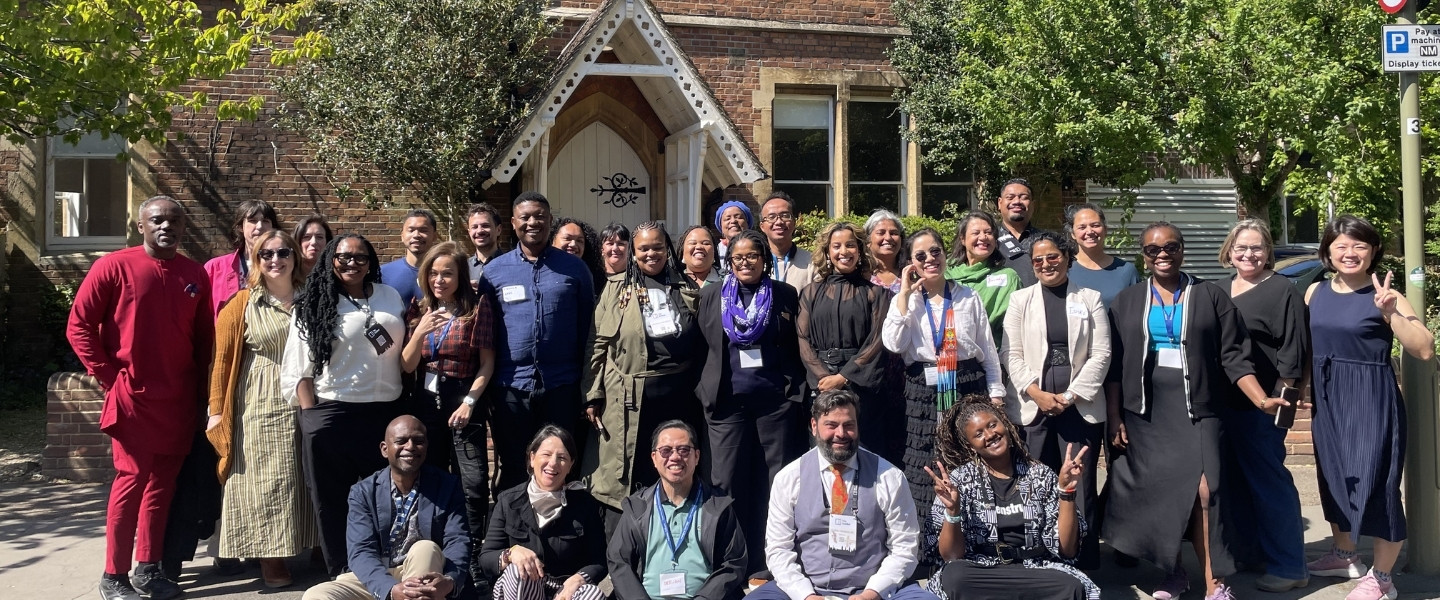
Skoll Week in Oxford felt less like a conference and more like stepping into a living network of people trying, in different ways, to make the world fairer. As an Atlantic Fellow, I arrived carrying both curiosity and a quiet sense of responsibility. I come from one of India’s smallest hill states and, as a public health physician, attending Skoll had always been an aspiration. Being there felt both grounding and stretching at the same time.
The setting itself held meaning. The link between the Atlantic Institute and the Rhodes Trust is not simple. It asks us to face history, not avoid it, and to stay with difficult truths long enough to learn from them. Coming from a place where history, identity and access shape health outcomes every day, this felt familiar. It reminded me that systems are not abstract; they impact people’s lives.
The first day at Kopanong, the Atlantic Fellows residence, grounded us. There was something powerful about beginning with connection rather than presentations. Cooking together for the international food festival quickly broke down any sense of formality. I found myself thinking about how food, like health, carries stories of place, culture and inequality. The conversation on resourcing systems change stayed with me. In public health, we often work within limited budgets and short timelines. This discussion pushed me to think beyond programs and toward what it really takes to support long-term change in communities like mine.
The reflection session on day two was more challenging than I expected. Writing without structure forced honesty. It made me ask myself what I was truly seeking from this space. Was I here to represent my work, to find collaborators, or to learn from others? The answer, I realized, had to include all three. At the networking lunch with other Fellows and Skoll Scholars at Merton College, I spoke about the realities of delivering care in remote hill regions, where geography itself becomes a barrier. In return, I heard perspectives that helped me see my work in a wider context.
As the week drew to a close, I not only had a list of contacts or ideas but also experienced a deeper shift in how I see my role as an Atlantic Fellow. It is not about working in isolation, but being part of something larger that cuts across geographies, sectors and lived realities.
What stood out for me during the week was the idea of “unconferencing.” It may sound open, but it requires you to be intentional about where to invest your time and energy. I attended sessions on climate, storytelling, and funding, but some of the most useful moments happened between the programmed events. A brief conversation led to an exchange of ideas on community health models. Another raised questions about how we measure impact in ways that reflect lived realities, not just numbers.
The multiple reflection spaces and the workshops were a highlight. In public health, we are trained to present data, evidence and outcomes. But stories carry something that data alone cannot. Listening to others share their journeys made me reflect on how I speak about my own work. The communities I work with are not just statistics: their voices, struggles and strengths need to be part of the narrative.

The Navigating Climate Uncertainty session on climate and justice felt especially close to home. In hill states, the effects of climate change are already happening, affecting water sources, livelihoods and health directly. Hearing leaders from across the Global South speak about local solutions was both validating and motivating. Communities are not waiting for change; they are already shaping it. The key question is whether systems of funding and policies are ready to support them.
The Landscapes of Justice convening added another layer to my understanding. It connected environment, equity and community resilience in a way that reflects what I see in my own work. Health cannot be separated from the environment or from social conditions; they are interlinked.
Skoll Week also sharpened my understanding of visibility. Not as a form of personal recognition, but as a way to ensure that places like my home state are not left out of global conversations.
Kopanong became an anchor, a space to return to, to pause and to connect with other Fellows. In a schedule that could easily feel overwhelming, this mattered. The informal dinner on the last evening felt like a continuation rather than a conclusion.
As the week drew to a close, I not only had a list of contacts or ideas but also experienced a deeper shift in how I see my role as an Atlantic Fellow. It is not about working in isolation, but being part of something larger that cuts across geographies, sectors and lived realities. It asks for openness, especially when new perspectives challenge what feels familiar.
Skoll Week also sharpened my understanding of visibility. Not as a form of personal recognition, but as a way to ensure that places like my home state are not left out of global conversations. Being in these rooms carries both opportunity and responsibility to represent those realities with honesty and care.
Two reflections have stayed with me: The challenges we work on—whether in education, health, or climate—are large and complex. As Fellows, we are constantly learning how to navigate this complexity while staying focused on creating meaningful change. Secondly, the week was about connection—real, natural conversations that felt meaningful and may last far beyond the week itself.
I leave Oxford with new questions, meaningful connections and a clearer sense of purpose. My simple but steady truth that I hold to is that change is built through relationships, through shared effort and through the willingness to keep showing up, again and again.
About the author
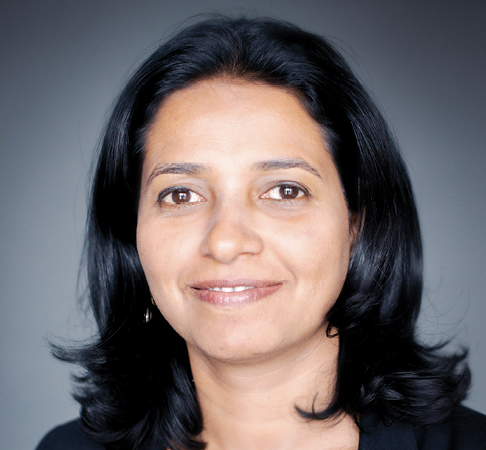
Shubha Nagesh is an Atlantic Fellow for Health Equity, a medical doctor and an independent global health consultant who works at the intersection of gender health equity and disability. She is advocating for inclusive and equitable health care solutions in the global health landscape.


.png)

