

.jpg)
On this World Refugee Day, we pause to recognize the courage, resilience and contributions of millions of refugees and other forcibly displaced persons around the world. It is also an opportunity to reflect on our collective responsibility to ensure that people forced to flee conflict, persecution, violence and humanitarian crises are not only protected but also empowered to live with dignity, hope and opportunity.
As a person with lived experiences and having worked extensively with forcibly displaced populations (FDPs) in both Ireland and South Africa, I have witnessed first-hand the extraordinary resilience of individuals who have lost homes, livelihoods, loved ones and sometimes entire communities, yet continue to rebuild their lives despite immense adversity.
Supporting refugees must go beyond providing legal protection or humanitarian assistance. It also requires investment in mental health, community resilience, social inclusion and the protection of human dignity.
In Ireland, I have had the privilege of contributing to initiatives that promote inclusion, well-being and social cohesion among migrant and refugee communities. Through my work in brain and mental health promotion (prevention strategies for non-communicable diseases), anti-racism education, youth engagement and community development, I have seen how meaningful support, inclusive policies and welcoming communities can transform the lives of people seeking safety and belonging. Ireland has made significant strides in embracing diversity and supporting refugees, but continued efforts are needed to address barriers related to housing, mental health, employment and social inclusion.
At the same time, the situation facing many refugees and asylum seekers in South Africa remains deeply concerning. While South Africa has historically been a destination for people fleeing conflict and instability across the African continent, many continue to experience exclusion, discrimination and insecurity. In recent years, the rise of Afrophobic rhetoric and actions associated with movements such as "Operation Dudula", "March and March" has created an environment of fear and uncertainty in South Africa for many FDPs.
Beyond the physical threats and economic hardships, these experiences have profound negative consequences for mental health and psychosocial well-being. Exposure to violence, discrimination, social exclusion and chronic uncertainty can increase the risk of anxiety, depression, trauma-related conditions and other psychosocial challenges. Yet barriers to mental health services remain for many refugees and marginalized communities.
It is within this context that the Unit for Relief Assistance and Social Advocacy (URASA) has been implementing a mental health and psychosocial support program for refugees and other socially excluded populations in South Africa. This initiative is supported with a grant from the Atlantic Fellows for Health Equity in South Africa (Tekano) program.
The program’s impact has been both meaningful and inspiring. One of its most significant achievements has been the training of trainers and mentorship of a pool of Community Mental Health Champions drawn from both refugee and host communities. These champions help raise awareness about mental health, reduce stigma, provide basic psychosocial support, identify individuals in distress and facilitate referrals to the appropriate services.
Refugees are not defined by their displacement alone.
By bringing together members of host and refugee communities, the program also strengthens social cohesion and increases understanding. In communities often divided by fear, misinformation and economic pressures, these interactions show that healing, solidarity and collective action are possible. Such integration efforts help combat malicious actors who deliberately amplify racism, incite violence and deepen societal polarization, using AI-generated deepfakes and organized troll farms that serve hostile or adversarial agendas.
The takeaways from this work are clear: Supporting refugees must go beyond providing legal protection or humanitarian assistance. It also requires investment in mental health, community resilience, social inclusion and the protection of human dignity. As well as listening to the voices of displaced people, greater support is needed to empower them to become leaders, advocates and agents of change within their communities.
Refugees are not defined by their displacement alone. They need education leading to formal employment, community belonging and, ultimately, opportunities to make their contributions to the host country’s economic development and improved well-being for all living in the societies where they live.
As someone who has worked alongside refugees and displaced communities in both Ireland and South Africa, I continue to be inspired by their resilience, courage and determination. I believe that meaningful inclusion begins when we move beyond protection alone and invest in the mental health, dignity, leadership, and potential of every individual forced to leave their home.
About the author
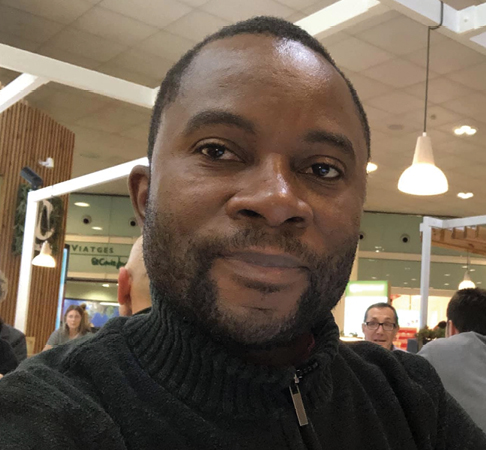
Dr. Ganzamungu Zihindula is an Atlantic Fellow for Health Equity in South Africa who has lived experience of forced displacement. He is a public health epidemiologist, a researcher and health equity advocate with extensive experience of working with forcibly displaced persons across Africa and Europe.
He is passionate about developing evidence-based and community-led solutions that promote dignity, inclusion, and wellbeing for all, particularly those affected by conflict, displacement, and inequality. He founded RefuMind Ireland, an initiative dedicated to promoting brain health, mental health and well-being among forcibly displaced persons; and URASA, which works to advance social inclusion, brain and mental health, and community resilience among forcibly displaced and socially excluded populations in South Africa.
Through a Social Change Initiative grant supported by Atlantic Fellows for Health Equity in South Africa, he has led community-based Mental Health and Psychosocial Support (MHPSS) programs that empower refugee and host communities to address the psychological impacts of displacement, discrimination and social exclusion.


.png)

