

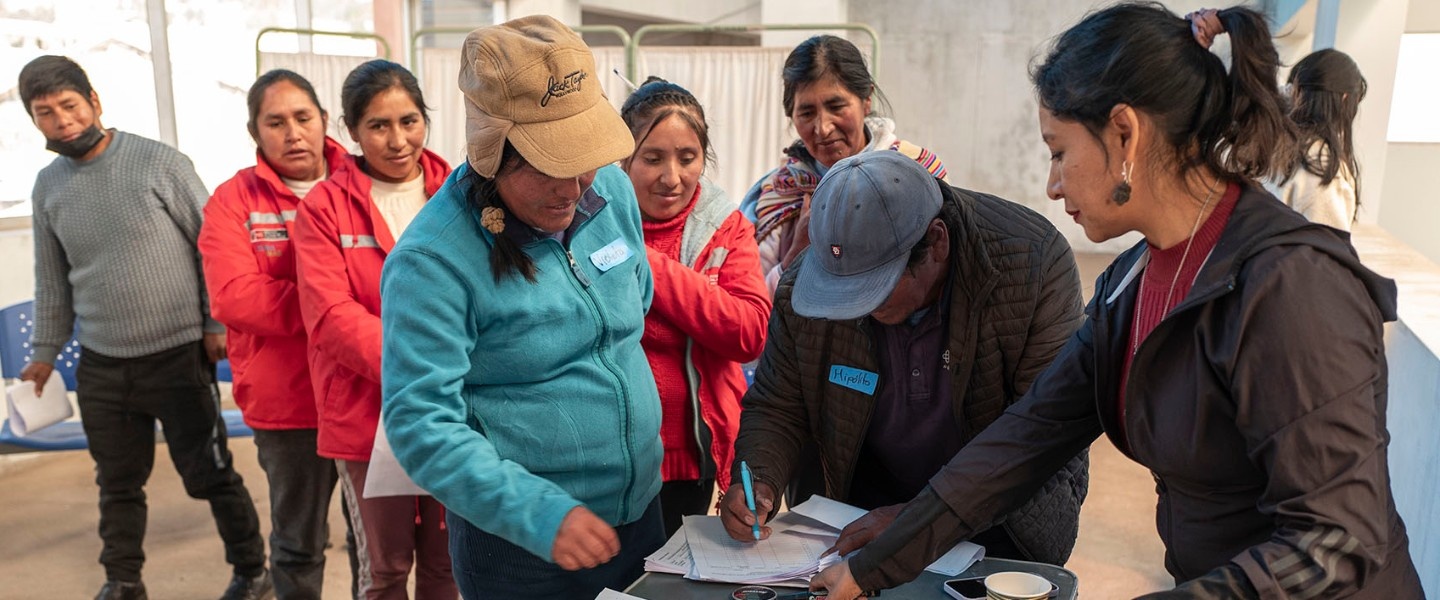
Peruvians living in under-served areas continue to face significant barriers to basic health care. A lack of trust, combined with geographical and economic obstacles and weak engagement between communities and health services, limits access to even the most essential medical support.
These findings emerge from our recent field study, which involved interviews with individuals across three distinct regions of Peru. Once trust was established, participants openly shared their experiences, providing valuable insights into the challenges they face in accessing care.
Peru’s diverse geography is matched by deep inequalities. Across all three study locations, health facilities were chronically understaffed and lacked essential equipment and medicines, limiting their ability to provide consistent care.
Santa Maria (Outskirts of Lima)
In Santa Maria, many residents are internal migrants living on land they have occupied informally. Fear of eviction fosters mistrust toward outsiders, including health workers, while limited access to education compounds their vulnerability. Economic hardship is another major barrier—most residents cannot afford to lose a day’s income to seek medical attention. Consequently, many rely on home remedies or postpone treatment until their conditions worsen.
Pomacanchi (Andean Highlands)
In the highland community of Pomacanchi, residents are largely landowners with a strong work ethic and a cultural reluctance to take time off. However, linguistic and cultural barriers have created mistrust between local populations and health personnel. Many respondents described their experiences with health services as alienating or dismissive, noting that language differences and a lack of cultural sensitivity undermined their confidence in formal care.
San Regis (Amazon Region)
In San Regis, a remote Amazonian settlement, trust in health care providers was relatively high, but the problem was one of access. Clinics were severely under-resourced and poorly staffed, forcing residents to travel long distances for treatment. These journeys were costly, logistically difficult, and sometimes unsafe — deterring many from seeking care.
________________________________________
Recommendations:
Building trust and empathy
Improving trust and empathy between health workers and local communities is crucial. Health professionals should receive training in culturally sensitive communication and ensure that information is provided in Indigenous languages. Recognizing and integrating local customs and beliefs into care practices can make patients feel respected and understood, reducing their reliance on informal remedies or avoidance of medical services.
Empathy is not optional—it is essential for effective care. Without it, providers may recommend treatments or diets that are financially unrealistic, inadvertently alienating those they intend to help. Vulnerable groups—including Indigenous peoples, older persons, pregnant women, and those with mental health challenges—are particularly affected by impersonal or dismissive care and require an empathetic approach that acknowledges their lived realities.
Addressing staff burnout
Healthcare workers in under-resourced areas often face overwhelming workloads and emotional exhaustion, which can erode empathy and lead to rushed or impersonal patient interactions. Addressing burnout requires both systemic and structural interventions—improving facilities, investing in infrastructure, and ensuring adequate staffing levels.
Overall summary
Solutions are not purely financial. Policies must be informed by a genuine understanding of local contexts and shaped by the voices of the communities themselves. Listening to these perspectives will enable health authorities to design services that reflect real needs and move Peru closer to a fairer, more responsive health care system for all.
Read the full report: Barriers to Health Service Access: Three Geo-cultural Regions of Peru (Link to Report in English) (Link to report in Spanish)
This work was supported by an Atlantic Institute grant.



.png)

